Sustainability Sells: How Eco-Marketing is Gaining Traction in 2025
Sustainability is no longer just a buzzword—it's a movement reshaping industries, consumer behavior, and marketing strategies. With climate change concerns and eco-consciousness at an all-time high, businesses that prioritize sustainability are gaining a competitive edge. In 2025, eco-marketing isn't just a trend; it's a necessity for brands to stay relevant and appeal to a generation of environmentally aware consumers.
In this blog, we'll explore why sustainability sells, how businesses are leveraging eco-marketing, and why learning digital marketing with a focus on sustainability can open doors to exciting career opportunities.
The Rise of Sustainability in 2025
Consumers are demanding more from brands than ever before. A 2024 global survey found that 78% of consumers prefer to buy from companies committed to making a positive environmental impact. Gen Z and Millennials, in particular, are driving this shift by prioritizing products and services that align with their values.
From sustainable packaging and ethical sourcing to carbon neutrality pledges, businesses are rethinking their strategies to align with this eco-conscious mindset. Sustainability is no longer just a selling point; it’s becoming a key factor in brand loyalty and trust.
What is Eco-Marketing?
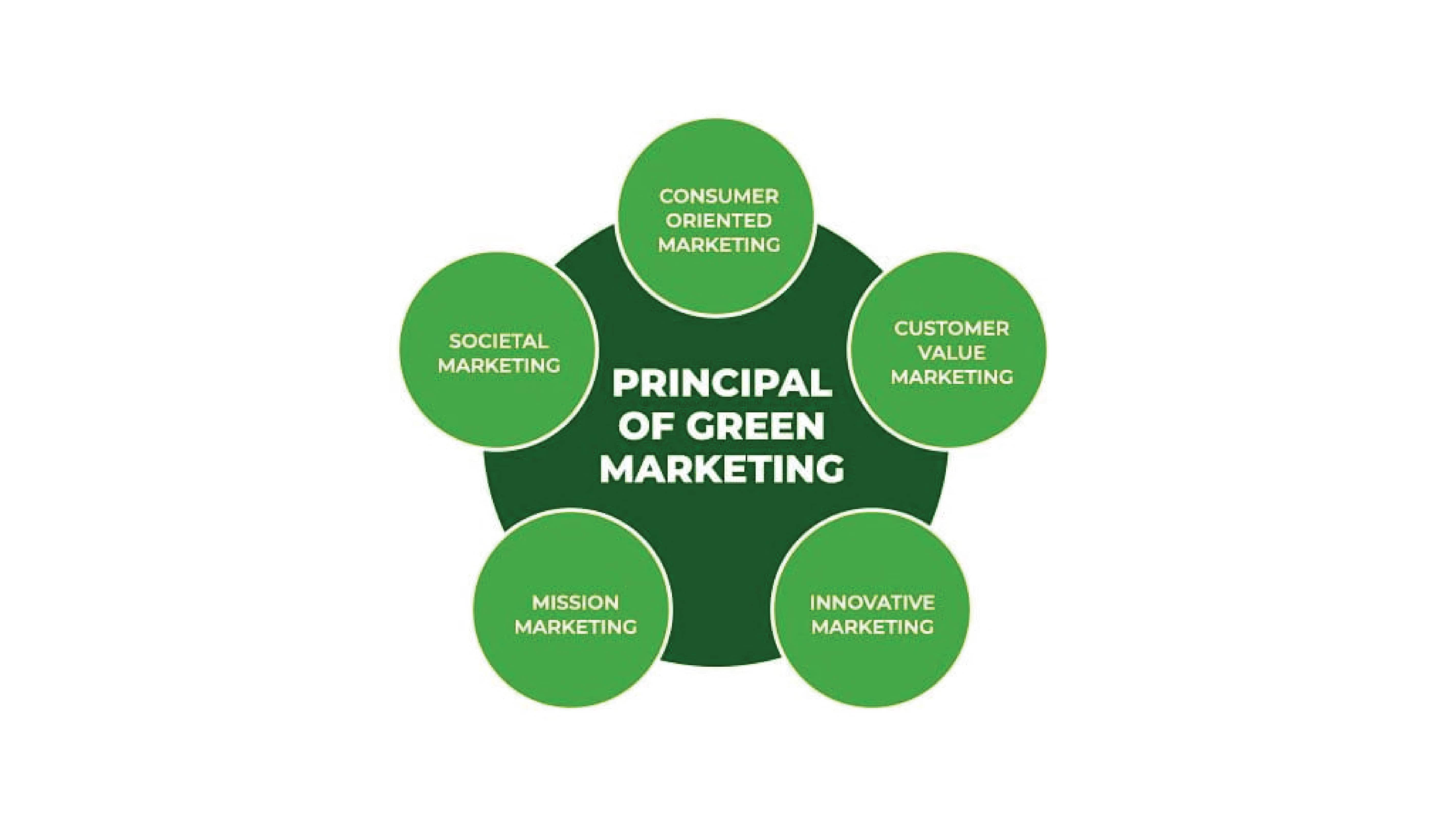
Eco-marketing, or green marketing, involves promoting products or services based on their environmental benefits. This can include:
- Using renewable resources or sustainable materials.
- Highlighting eco-friendly practices, such as reducing carbon footprints or recycling.
- Advocating for social and environmental causes through campaigns and initiatives.
Why Sustainability Sells
But eco-marketing isn’t just about talking the talk—it’s about walking the walk. Brands that practice "greenwashing," or exaggerating their sustainability efforts, are quickly losing credibility. In 2025, transparency is the cornerstone of successful eco-marketing.
- Consumer Demand Eco-conscious consumers are willing to pay a premium for sustainable products. According to a report by NielsenIQ, 68% of global consumers are willing to spend more on eco-friendly goods. This makes sustainability a powerful selling point.
- Brand Loyalty Consumers are more likely to remain loyal to brands that align with their values. Businesses that prioritize sustainability can build long-lasting relationships with their audience by showcasing their commitment to environmental and social causes
- Government and Industry RegulationsWith stricter environmental regulations and policies, businesses are being incentivized—or even required—to adopt sustainable practices. Companies that embrace eco-marketing are better positioned to comply with these regulations and thrive in an evolving market.
- Positive Brand Imageustainability efforts contribute to a positive brand image. Businesses that champion eco-friendly practices are viewed as responsible, forward-thinking, and trustworthy, giving them a competitive edge in a crowded market.
Eco-Marketing Strategies That Work in 2025
- Sustainable Storytelling Consumers want to know the "why" and "how" behind a brand’s sustainability journey. Telling a compelling story about your eco-friendly efforts, whether through videos, blogs, or social media, can humanize your brand and build trust.
Example: Patagonia is a brand synonymous with sustainability. Their storytelling focuses on environmental advocacy, responsible sourcing, and inspiring consumers to join their mission.
- Green Packaging Eco-friendly packaging is a visible, tangible way to showcase your commitment to sustainability. From biodegradable materials to minimalist designs, innovative packaging solutions resonate with eco-conscious consumers.
Pro Tip for Marketers: Highlight your sustainable packaging efforts in your marketing materials and share behind-the-scenes videos of the process to engage your audience.
- Cause Marketing Aligning with environmental causes can amplify your impact and attract like-minded consumers. Donating a portion of sales to green initiatives or participating in environmental clean-up efforts are great ways to connect with eco-conscious audiences.
Example: Lush Cosmetics donates proceeds from their “Charity Pot” products to environmental and social causes, creating a loyal community of advocates.
- Carbon Neutral Campaigns Carbon neutrality has become a significant selling point. Businesses are using marketing to communicate their efforts to reduce or offset their carbon footprint. Sharing progress updates and measurable impacts builds credibility.
Pro Tip for Students: Learn how to analyze a brand’s carbon footprint and market sustainability metrics effectively—it’s a sought-after skill in digital marketing.
- Influencer Partnerships Partnering with eco-conscious influencers who genuinely advocate for sustainability can amplify your message. Gen Z and Millennials trust influencers more than traditional ads, making this an effective strategy.
Example: Many brands collaborate with influencers to showcase eco-friendly products in everyday use, inspiring followers to make sustainable choices.
Why Learning Digital Marketing with a Sustainability Focus is Essential
Eco-marketing requires a blend of creativity, data analysis, and an understanding of consumer behavior. For students aspiring to build a career in digital marketing, gaining expertise in sustainability-focused marketing strategies is a valuable asset.
At DigiNinjas, our courses go beyond traditional digital marketing training. We equip you with the skills to create impactful campaigns that resonate with today’s eco-conscious consumers. From understanding sustainable branding to crafting data-driven eco-marketing strategies, our programs ensure you’re prepared for the demands of modern marketing.
The Role of Digital Marketing in Driving Sustainability
Digital marketing plays a crucial role in spreading the message of sustainability. Platforms like social media, email marketing, and SEO allow brands to communicate their eco-friendly initiatives directly to their audience. By creating engaging, transparent, and educational content, businesses can inspire consumers to make more sustainable choices.
For example, brands are using Instagram Stories and TikTok videos to showcase their green initiatives, creating bite-sized content that’s easy to digest and share. Learning how to leverage these platforms effectively is essential for success in eco-marketing.
Conclusion: Sustainability is the Future
Sustainability isn’t just a passing trend—it’s the future of business and marketing. Brands that embrace eco-marketing are not only meeting consumer expectations but also contributing to a better world.
For students, understanding how to market sustainability is an opportunity to stand out in a competitive job market. By enrolling in a digital marketing course with DigiNinjas, you’ll gain the skills and knowledge to lead impactful, purpose-driven campaigns that align with the values of modern consumers.
Join DigiNinjas today and become a digital marketer who makes a difference!

Confused?
Feeling stuck or unsure about your career? Whether you're starting fresh, considering a change, or ready to level up, clarity is just one conversation away.